


모든 제품
-
 ANA매우 좋은 벌집형 배출구 보기를 놋쇠를 입히세요
 -
 스아테에시MRI / RF 문은 손잡이로 빛나고 있고 당신 내 친구에게 감사합니다.
열전지 품질 제어용 용량 캘리브레이터
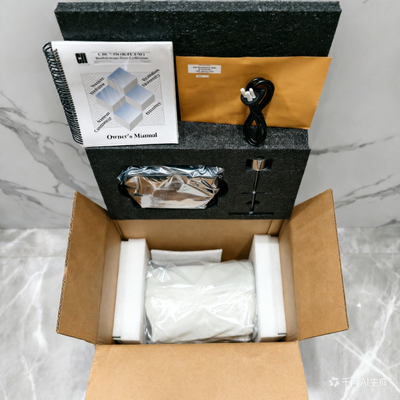


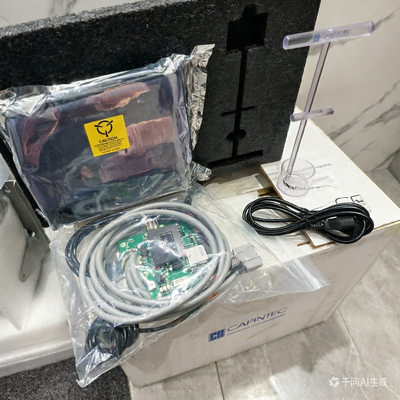
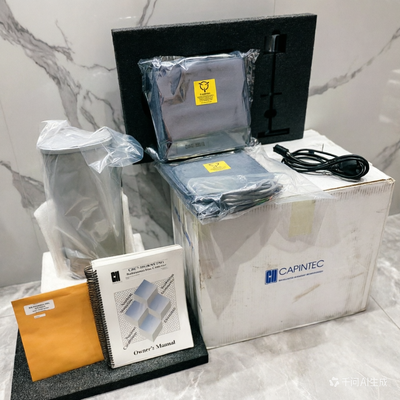
제품 상세 정보
| 에너지 반응 | 50Kev~5Mev | 테스트 범위 | ≥5Ci |
|---|---|---|---|
| 감지 유형 | 알파, 베타, 감마, 중성자 | 누적 용량 범위 | 0.1μSv ~ 10Sv |
| 재료 | 내구성이 뛰어난 ABS 플라스틱 하우징 | 작동 온도 | -20°C ~ 50°C |
제품 설명
열전지 품질 제어용 용량 캘리브레이터
제품 소개
제너터 QC용 용량 캘리브레이터는 Tc-99m 제너터의 독특한 품질 관리 요구 사항을 위해 특별히 설계되었습니다.모든 몰리브덴-테크네슘 생성물 엘루아트는 몰리브덴 돌파구 (Mo-99 함량) 를 테스트해야 합니다., 알루미늄 이온 농도, 그리고 (일부 응용 분야에) 방사성 화학 순수성.표준 복용량 캘리브레이터는 이러한 테스트를 수행 할 수 있지만 알루미늄 테스트를 위해 수동 계산과 별도의 장비가 필요합니다.이 도구는 모든 생성자 QC 테스트를 하나의 자동화 작업 흐름에 통합합니다. 소프트웨어는 각 테스트를 통해 사용자에게 안내하고 필요한 계산을 수행합니다.결과와 규제 한도를 비교합니다., 검사하기 위해 기록을 저장합니다. 탐지기는 가열 셀 내부에 설치되어 엘루아트 샘플을 직접 측정합니다.
적용 범위
제너레이터 QC 복용량 캘리브레이터는 일상적인 SPECT 영상 촬영에 Tc-99m 제너레이터를 사용하는 핵 의학 부서를 위해 설계되었습니다.주요 응용 분야는 발전기 엘루아트 활동의 일일 측정 (총 Tc-99m 양) 을 포함합니다., 몰리브덴 돌파구 검사 (USP 당 mCi Tc-99m에 <0.15 μCi Mo-99), 알루미늄 이온 농도 검사 (<10 μg/mL) 및 발전기 엘루아트 부피 측정.이 도구는 또한 생성자 엘루아트에서 제조 된 Tc-99m-표시 된 화합물의 품질 통제를 지원합니다., MDP, sestamibi, MAG3 및 다른 요인에 대한 방사성 화학 순수성 테스트를 포함하여.
성능 과 이점
제너터 QC 용량 캘리브레이터는 가장 복잡한 두 개의 제너터 품질 관리 테스트를 자동화합니다: 몰리브덴의 돌파구와 알루미늄 농도기기는 두 가지 측정 프로토콜을 사용합니다.첫째, 방패 없이 발광을 측정합니다 (Tc-99m와 Mo-99 활동의 조합 측정).같은 엘루에이트를 4mm 납 방패로 측정합니다 (Tc-99m 광자를 약화하지만 Mo-99 광자를 통과합니다)이 소프트웨어는 돌파율을 계산합니다: (보호된 측정 / 보호되지 않은 측정) × 100%.기기는 mCi Tc-99m 당 μCi Mo-99에서 결과를 표시하고 USP 제한 0과 비교합니다..15. 통과/실패 표시가 표시되고 그 결과는 QC 데이터베이스에 저장됩니다. Mo-99의 측정 민감도는 규제 기준보다 훨씬 낮습니다. 알루미늄 이온 테스트를 위해,장치는 색측정용 액세서리를 포함한다.사용자는 테스트 스트립에 에루아트 한 방울을 첨가하고 2 분 동안 기다립니다. 그리고 스트립을 기기의 컬로미터에 삽입합니다. 기기는 스트립의 색상 강도를 측정합니다.알루미늄 농도를 μg/mL로 계산합니다., 그리고 USP 10 μg/mL의 제한과 비교합니다. 결과는 돌파구 결과와 함께 QC 데이터베이스에 저장됩니다.장치는 방광 방울을 상실에 고정적으로 배치하는 보호 된 방울 받침대를 포함합니다.측정 범위는 1mCi에서 10 Ci까지이며, 저출력 발전기 유출과 고출력 (최고 10 Ci) 유출을 모두 수용합니다.계기는 자동으로 Tc-99m 캘리브레이션 인수를 적용하고 mCi 또는 MBq에서 결과를 표시합니다.이 소프트웨어는 시간이 지남에 따라 각 발전기의 성능을 추적하는 발전기 발광 로그를 포함합니다. 각 발광에 대해 로그 기록: 발광 날짜와 시간, 발전기 롯 번호, 발광 부피,전체 Tc-99m 활동, 몰리브덴 뚫림 비율, 알루미늄 농도, 기술자 ID. 로그는 그래픽으로 추세를 보여줍니다,사용자가 발전기의 돌파구가 시간이 지남에 따라 증가하는지 확인 할 수 있습니다이 시스템은 돌파구가 규제 한계에 접근 할 때 사용자에게 경고합니다 (예를 들어 0.10 μCi/mCi 이상, "주의" 상태).이 도구는 또한 발전기 스케줄링을 위해 붕괴 추적 기능을 포함사용자는 발전기 캘리브레이션 날짜와 활동을 입력 하 고 소프트웨어는 미래의 어떤 환출 시간에 예상 양을 계산 합니다.부서의 계획 에루션 스케줄을 도와 활용 가능한 활동을 극대화원자력 의학 부서의 주요 이점은 발전기 QC 요구 사항의 단순화입니다.자동화된 테스트는 QC에 필요한 시간을 15-20분에서 5분 이하로 줄여줍니다.QC 결과 데이터베이스는 규제 검사에 대한 방어 가능한 문서를 제공합니다.제너레이터 QC 용량 캘리브레이터는 제너레이터 테스트를자동화 된 일상.
추천된 제품
